
News
Apr 22, 2026 - The H-Frame Transmission Structure Remains a Backbone of Modern Overhead Lines
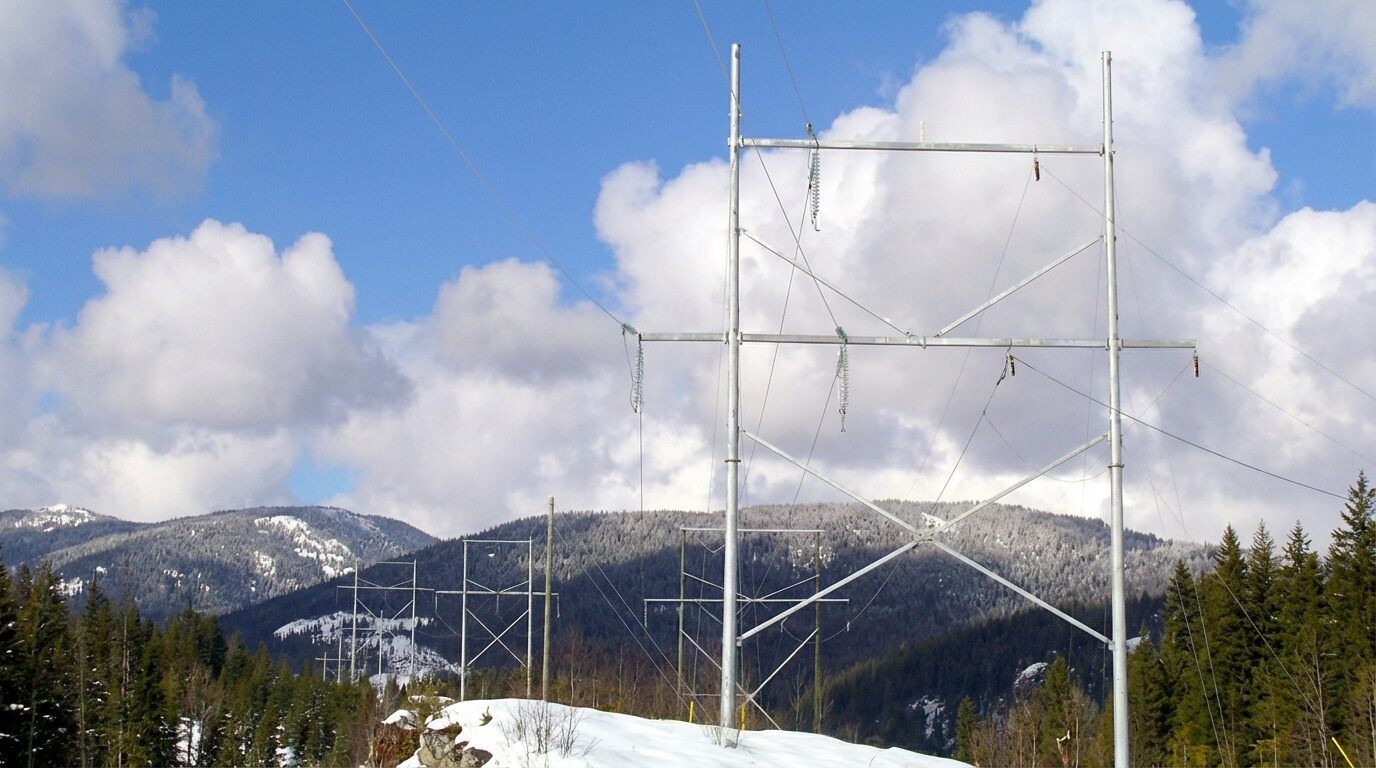
Across open plains, river crossings, and long rural spans, the H-frame transmission structure keeps showing up on utility drawings for good reason. It has carried high-voltage lines for decades, and newer materials and engineering methods have only extended its working life. At Nova Pole, we see this design specified again and again by engineers who need a dependable answer for 69kV through 345kV applications, and the logic behind that preference is worth unpacking.
The H-frame works because its layout is straightforward and structurally sound. Two upright poles connected by a crossarm, and in some cases reinforced with X-bracing, share loads across a broader footprint than a single-pole design. That wider stance helps the structure carry longer spans, often in the 800 to 1,200-foot range on open, level ground. For utilities building a 40-mile line through farmland, that can mean fewer foundations to install, smaller field crews, and less time spent in construction.
Another strength is the added margin it brings in the field. When one pole is damaged by a vehicle strike or a falling tree, the second pole and connecting members can keep the conductors in place long enough for repair crews to respond.
Where the Design Earns Its Keep
You'll find H-frames specified most often where open right-of-way is available and span economics matter more than footprint. Typical applications include:
-
Long rural transmission corridors carrying 138kV, 230kV, or 345kV
-
River, canyon, and highway crossings requiring extended spans
-
Renewable energy gen-tie lines from wind and solar farms
-
Substation takeoff structures handling heavy conductor loads
-
Storm-hardened rebuilds replacing aging wood H-frames
Each of these scenarios rewards the design's strengths: high transverse capacity, generous conductor separation, and the ability to support heavy bundled conductors without the deflection issues that plague taller single-pole alternatives.
Modern Materials Have Changed the Math
The wood structures utilities installed decades ago are a far cry from the engineered steel Novapole delivers to your job site right now. Today, tapered tubular steel treated with ASTM A123 hot-dip galvanizing takes the place of timber. This material swap eliminates specific field headaches like woodpecker damage, ground rot, and the slow structural creep that plagues wood poles under heavy icing. You can plan on a service life crossing the 80-year mark, and your crews get to recycle the steel down the road rather than paying special fees to landfill treated lumber.
Choosing the right finish gives your engineering team distinct control over both appearance and lifespan. Weathering steel blends into densely wooded backgrounds, while duplex coatings that combine galvanizing with a tough polyurethane topcoat seal out saltwater spray on coastal runs. Out on the right-of-way, your contractors will notice a change in pace when sliding together shop-fabricated slip joints and bolted flange connections.
Adapting to unpredictable ground conditions is another built-in benefit. Direct embedment saves significant budget dollars where native soils remain stable. When your geotechnical reports reveal expansive clay or solid rock, you can pivot to drilled piers and anchor bolt cages to secure the poles.
Resilience Against a Tougher Operating Environment
Grid operators are dealing with weather extremes that test older assumptions. Design standards such as NESC Rule 250C and ASCE 74 now push higher wind and ice combinations, and the H-frame responds well to these updated loads because its braced geometry was always about sharing force between members. Retrofitting with larger crossarms or upgraded X-bracing is straightforward when a line is re-rated for higher capacity, which is something you cannot easily do with a lattice tower or a fixed-diameter monopole.
Wildfire-prone regions are adopting steel H-frames specifically because they remove the ignition risk associated with aging creosote poles. Utilities across Canada have rebuilt hundreds of miles using this exact logic, and the structures double as a platform for fiber optic ground wire, distribution underbuild, and wildlife protection hardware.
The H-frame has aged gracefully because the engineering that made it useful in 1955 still holds up under modern loads, modern materials, and modern grid demands. If your next line crosses open country, carries renewable generation, or needs to stand through the kind of weather that used to be called once-in-a-century, this structure deserves a serious look. Novapole's engineering team can walk your project through material selection, span optimization, and delivery scheduling whenever you're ready to talk specifics.