
News
Sep 03, 2026 - How Wind Zone Maps Shape What Light Post Manufacturers Recommend
-
Wind zone maps set the baseline wind speed a pole must be engineered to withstand before any project-specific factors are added.
-
The same pole height and fixture combination can require different steel gauges depending on regional exposure category.
-
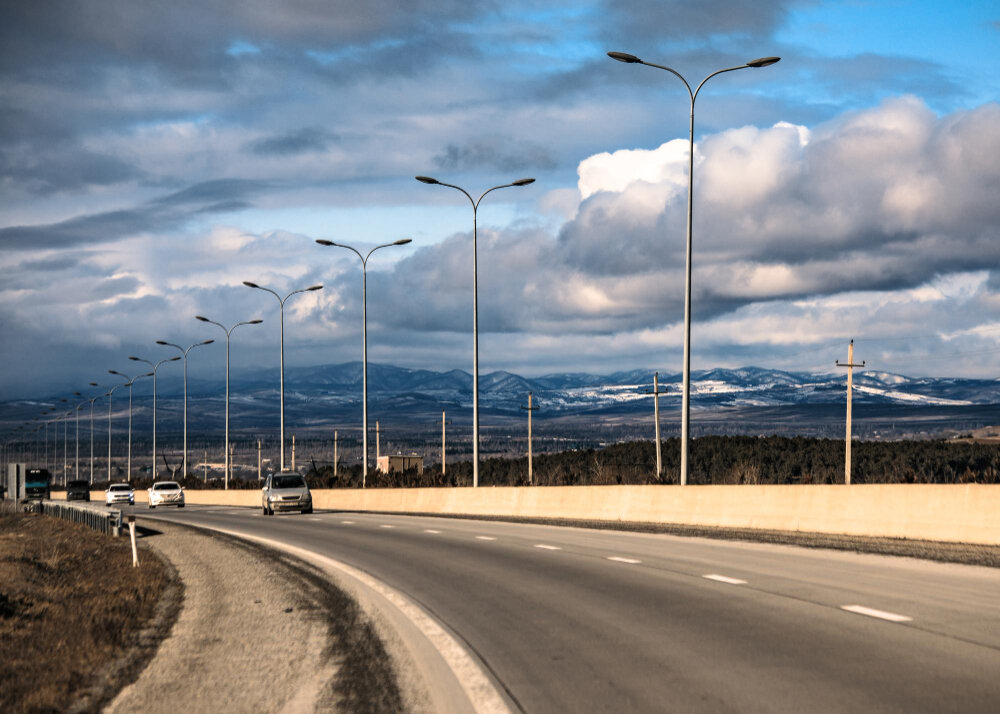
Coastal, prairie, and exposed highway sites carry different wind load demands than sheltered urban streets.
-
Ice accumulation and gust factors compound wind pressure in many Canadian regions, not just raw wind speed.
-
Working from accurate site data early avoids redesigns, delays, and mismatched quotes later in a project.
Every pole that goes into the ground along a Canadian highway, parking lot, or municipal street is engineered against a specific wind pressure, and that number does not come from guesswork. It comes from wind zone maps built into the National Building Code of Canada and provincial design standards, which set the baseline reference wind speed for a given region. Understanding how these maps translate into a finished product is one of the more overlooked parts of working with light post manufacturers, yet it shapes almost every decision that follows, from steel gauge to base plate size to the final quoted price.
Wind Zone Data Sets The Engineering Baseline
A wind zone map indicates a reference wind pressure for a specific geographic area, based on many years of weather data. This pressure serves as the starting point for designing poles in structural engineering. From there, the engineer considers the pole's height, the surface area of the signs or fixtures it will support, the terrain around it, and the site's exposure category to determine the final wind load. These factors are interconnected; a change in any one can influence the outcome enough to require a different steel gauge or base plate size.
As a result, two poles of the same height can have different structures after calculation. For example, a 9-meter pole planned for a sheltered residential street in a low-exposure area might need only a light wall thickness. In contrast, the same 9-meter pole installed on an open highway interchange in a higher wind zone would require thicker steel, a larger base plate, and a different pattern of anchor bolts to ensure safety. This is why light post manufacturers ask for a project location early in the quoting process rather than working from height and fixture type alone. A quote built without that information is really just an estimate, since the actual engineering cannot be finalized until the site conditions are known.
Exposure category matters just as much as the raw wind number on the map. Open terrain, large bodies of water, and unobstructed highway corridors all increase the effective wind load a pole experiences compared to a downtown street lined with buildings that break up gusts. A coastal site in British Columbia and a prairie interchange in Alberta might show similar base wind speeds on a map, yet require different engineering once local exposure and terrain roughness are factored into the calculation. Even within a single municipality, a pole positioned at an open intersection can face a meaningfully different load than one tucked between buildings a few blocks away, which is part of why generic pole specifications rarely transfer cleanly from one project to another.
The height of the fixture or luminaire attached to the pole adds another layer to the calculation. A larger fixture presents more surface area to the wind, and that area is multiplied against the design wind pressure to determine the actual force the pole and its base connection need to resist. Two identical poles fitted with different arm lengths or fixture sizes can carry noticeably different load ratings once this step is factored in, which is why manufacturers ask for fixture specifications alongside pole height and location rather than treating them as an afterthought.
Regional Conditions That Change The Recommendation
Canada's geography leads to considerable differences in what poles must endure across the country. In prairie regions, open terrain and few natural windbreaks often result in sustained high winds, which increase structural demands even for poles of moderate height. Coastal areas in British Columbia introduce another challenge: salt air accelerates corrosion, making the choice of finish and coating as critical as the steel gauge. Ice buildup during winter adds further complexity. Poles that carry additional ice loads experience increased surface area and weight, and this must be factored into design calculations rather than viewed as a separate issue. Gusty winds also play a role; short bursts of strong wind can impose significant, though brief, stress on a pole and its foundation, even if average wind speeds wouldn’t typically be considered severe. Ontario illustrates how these factors combine.
A pole along a rural highway in eastern Ontario can face a mix of high sustained winds, ice accumulation, and gusts, requiring a sturdier design than the same height pole would in a sheltered urban street nearby. Manufacturers working across multiple provinces see these variations often, which explains why a generic pole specification rarely suits every situation, even within a single province.
This is where working with light post manufacturers who understand regional Canadian conditions becomes valuable rather than optional. A manufacturer producing poles for a single climate zone may not have the same depth of experience engineering for the range of conditions that show up across a country as large and varied as Canada, from Vancouver Island's coastal exposure to the open wind corridors of the Prairies to the ice-heavy winters of Ontario. Operating design and production capability across several provinces gives a manufacturer a working familiarity with these regional differences that a single-region operation typically has to build from scratch on each new project.
Wind Zone Requirements Shape the Final Quote
Wind zone requirements are not a line item that gets added after the fact. They influence the pole's wall thickness, base plate dimensions, anchor bolt configuration, and sometimes the overall design approach, such as whether a tapered or straight pole better suits the load profile. Two contractors requesting quotes for what looks like the same pole on paper can receive meaningfully different specifications once their project locations are factored in, and that difference is not a manufacturer padding a price. It reflects the actual engineering requirement for that specific site.
Providing accurate project location and site exposure details at the start of a quote request is one of the simplest ways to avoid delays later. A pole engineered without accounting for the correct wind zone may need to be redesigned mid-project once a stamped drawing goes to a municipal or provincial reviewer, which pushes back delivery timelines and can affect installation schedules already locked in with contractors.
|
Factor |
What It Affects |
Why It Varies Regionally |
|
Reference Wind Speed |
Baseline design pressure for the pole |
Set by NBC wind zone maps for the project location |
|
Exposure Category |
How much of the wind load actually reaches the pole |
Open terrain and highways see higher loads than sheltered streets |
|
Ice Accumulation |
Added weight and surface area on the pole |
More significant in regions with heavy winter icing |
|
Gust Factor |
Short-duration stress beyond sustained wind speed |
Higher in open or coastal areas prone to sudden gusts |
|
Coating and Finish |
Long-term corrosion resistance |
Coastal salt air requires different protection than inland sites |
Engineering a pole correctly the first time depends on treating wind zone data as a starting input rather than an afterthought. Contractors and municipal buyers who share accurate site conditions with light post manufacturers at the outset get quotes that reflect the real structural requirement, not a generic estimate that has to be revised once engineering review begins. Nova Pole works from Canadian wind zone standards on every project, which is part of why municipalities and contractors across the country rely on poles engineered specifically for the conditions they will actually face.